
A mole can be tiny, almost unnoticeable... or it can sit right where you notice it every single time you look in the mirror. While many moles are harmless and simply part of your skin, some people choose to remove them because of their appearance, repeated irritation from clothing or shaving, or simply because they no longer want them.
At Luxe Esthetica, we offer mole removal in Dehradun with an approach that starts with understanding the mole and your skin rather than rushing straight into treatment. Because, well, every mole is a little different. Its size, depth, location, shape and skin type around it can all influence which removal approach may be suitable.
Our focus is simple — careful assessment, an appropriate treatment plan and clear aftercare guidance so you know what to expect before, during and after the procedure. If a mole has recently changed in size, shape, colour, border, sensation, or has started bleeding without a clear reason, it should first be medically evaluated rather than treated as a purely cosmetic concern.
Moles, medically called nevi, are common skin growths that usually develop when pigment-producing cells grow in clusters. They may appear during childhood or later in life and can vary quite a bit in appearance.
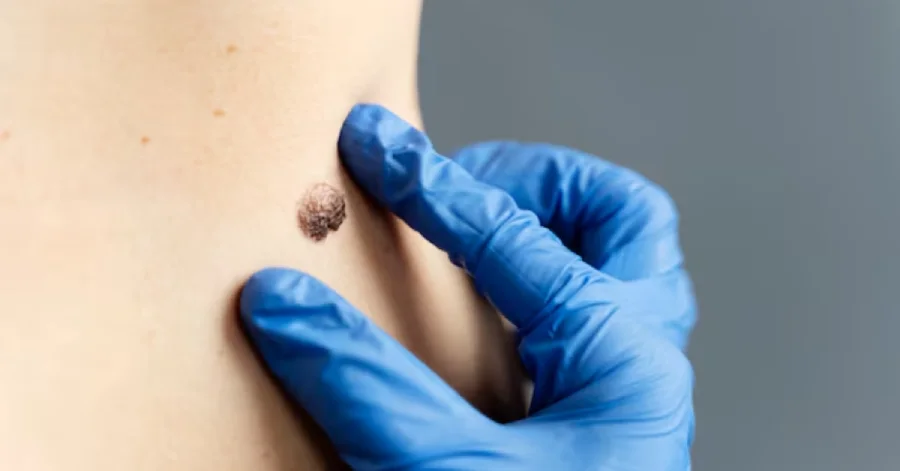
Some are flat and light brown. Others may be darker, raised or slightly textured. You might have one that has been there for years without bothering you at all, while another on the face, neck or another visible area may feel more noticeable.
Most common moles are harmless. Still, a changing or unusual-looking mole deserves proper attention before removal. This is one reason why professional assessment matters.
At Luxe Esthetica, the aim of a consultation is not just to answer, “Can this mole be removed?” but also to consider what kind of mole it is, where it is located and which approach makes sense for the skin.
The reason isn't always medical. In fact, many people searching for mole removal treatment in Dehradun simply want to improve the appearance of a visible mole.
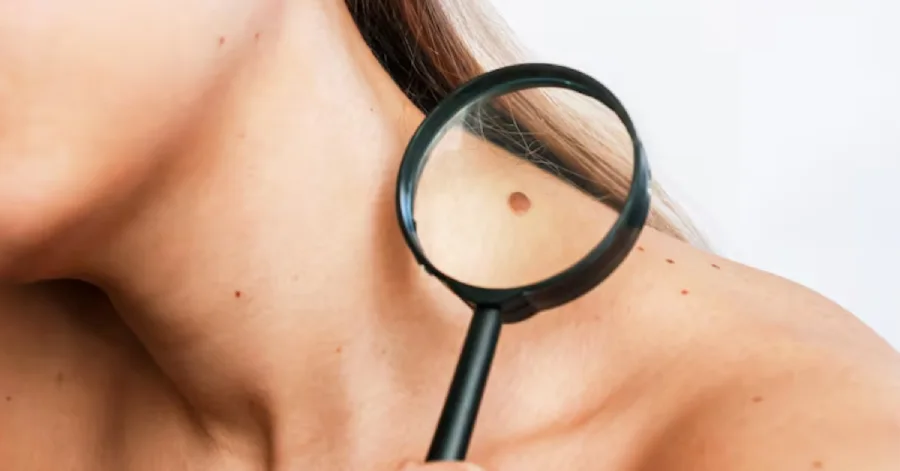
A raised mole near the nose, cheek, forehead or chin, for example, can become a feature that someone feels overly conscious about. A mole around the neck may repeatedly rub against jewellery or collars. Others get irritated while shaving or changing clothes.
And sometimes, there isn't a complicated reason. You just don't like how it looks. Whatever your reason, it is better to choose a professional skin clinic rather than trying DIY mole-removal products, acids, cutting methods or internet remedies at home. These can irritate or injure the skin and may also delay proper evaluation of a suspicious lesion.
Before recommending skin mole removal, the mole needs to be looked at carefully. Its depth, diameter, location and whether it is flat or raised can influence the treatment decision. Your skin characteristics and the cosmetic result you're hoping for matter too.
Depending on clinical assessment, mole removal techniques can include methods such as shave removal or surgical excision. Certain lesions may also be suitable for other procedural approaches, but the right choice depends on what the growth actually is. That's important because not every dark spot or raised bump is necessarily a simple mole.
The treatment plan at Luxe Esthetica in Dehradun is therefore based around individual assessment rather than choosing a procedure from a menu and applying it to everyone.
There is no single “best mole removal method” for everyone.
A treatment that makes sense for a small, raised and clinically benign mole may not be appropriate for a large, deeply pigmented or suspicious lesion. The technique is selected after considering the mole’s type, depth, location, appearance and the reason for removal.
For certain raised moles that have been clinically assessed as suitable, shave removal may be considered.
The area is typically numbed first, and the raised portion of the mole is carefully removed using a surgical blade. Depending on the individual lesion, stitches may not always be required.
It sounds simple, but precision matters quite a lot here. The depth of removal can influence healing, the final cosmetic appearance and the possibility of pigment or mole tissue becoming visible again later.
Some moles need complete surgical excision.
During this technique, the area is numbed and the mole is removed surgically. Depending on its size and depth, a small margin of surrounding tissue may also be removed and stitches can be required to close the skin.
One major advantage of surgical removal is that the removed tissue can be sent for histopathological examination when clinically appropriate.
Yes, there will usually be a scar after an excision — every procedure that cuts the skin carries some risk of scarring. The aim is to manage that risk carefully and help the area heal as neatly as possible.
People frequently search online for laser mole removal, especially when their concern is cosmetic.
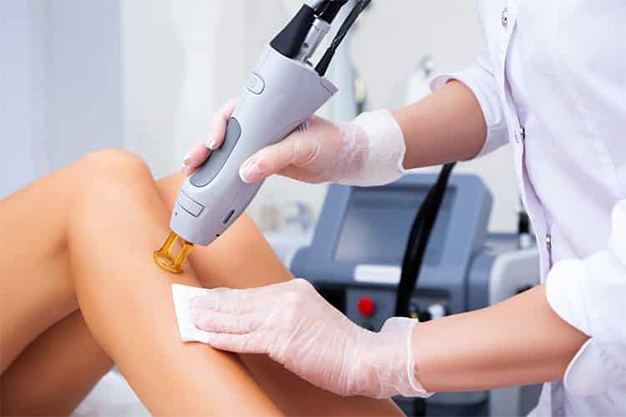
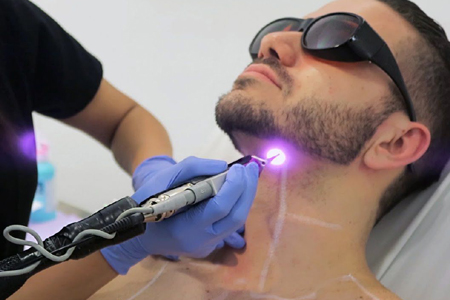
Laser and other energy-based technologies do have dermatological uses, but they are not automatically suitable for every pigmented mole. A suspicious melanocytic lesion generally needs proper evaluation and may require complete excision so that tissue can be examined under a microscope.
So, instead of choosing a treatment because it sounds newer or more advanced, the sensible approach is to choose the technique that fits the lesion.
Any treatment that physically removes tissue can potentially leave a scar, so “completely scar-free mole removal” isn't a realistic promise. The eventual appearance depends on several things, including the mole’s size and depth, treatment technique, body location, skin type, aftercare and your individual tendency to scar.
Some people naturally develop more noticeable scars or keloids. Pigment changes can also occur after skin procedures, particularly in certain skin tones.
A careful consultation therefore includes a discussion about the likely cosmetic trade-off: how much the mole bothers you compared with the possibility of a small mark after removal.
For many patients, that trade-off feels worthwhile. For others, leaving a harmless mole alone may actually be the better choice.
You may have seen home mole-removal creams, acids, herbal mixtures or DIY methods online. Some videos even suggest cutting or burning a mole yourself.
Please don't. Apart from the risk of burns, infection and unwanted scarring, attempting to remove a mole yourself means you may be treating something that hasn't been properly identified.
Professional assessment gives you something a DIY kit simply can't — someone actually examining the lesion and deciding whether cosmetic treatment is appropriate.
Good aesthetic medicine isn't about doing the maximum number of procedures. Sometimes it’s about knowing when to treat, what technique makes sense and, equally, when something needs further investigation first.
At Luxe Esthetica, your mole removal journey begins with individual assessment rather than a one-size-fits-all treatment.
Attention is given to the lesion itself, your skin type, its position on the face or body, your cosmetic expectations and how your skin is likely to heal. The aim is to create a treatment plan that balances safety with the best realistic cosmetic outcome.
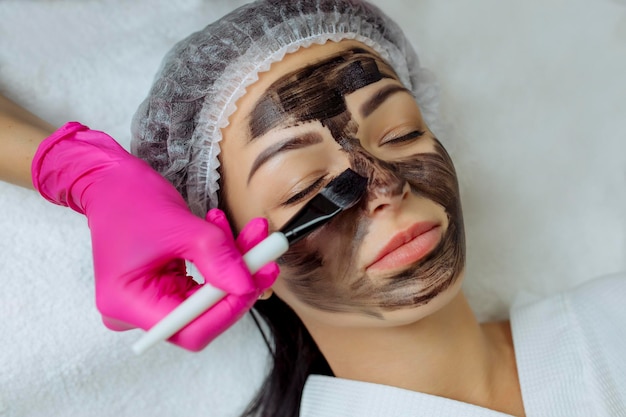
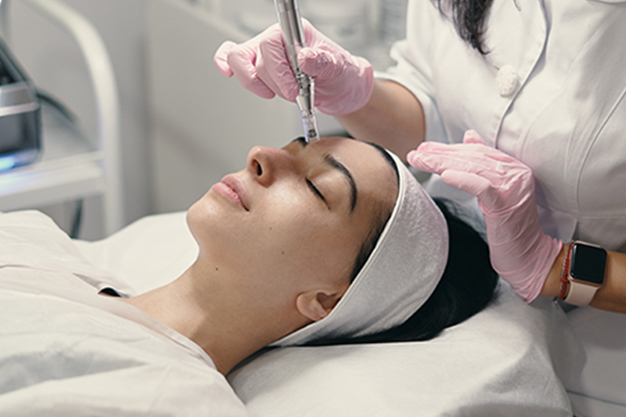
The same personalised philosophy extends across complementary skin services including Hydra Facial, Microneedling, Carbon Facial and other advanced aesthetic treatments.
Because clearer-looking skin isn't created through one trendy machine or one standard protocol. It comes from choosing treatments for the right reasons... and giving your skin what it actually needs.
If you have a mole that catches while shaving, rubs against clothing, affects your confidence or simply bothers you every time you see it, you don’t have to keep guessing what can be done about it. Start with a professional assessment.
At Luxe Esthetica, your consultation is an opportunity to understand the mole, discuss the available mole removal treatment options and get a realistic idea of the procedure, recovery and expected cosmetic outcome.
And if the lesion needs medical investigation rather than routine cosmetic removal, that distinction matters too. Your skin deserves thoughtful care, not shortcuts.



When a mole is adequately removed, it may not return, but recurrence can happen in some cases if mole cells remain. The likelihood depends partly on the type of mole and removal method.
Some straightforward procedures can be completed relatively quickly, although the total appointment time depends on consultation, preparation, the number of moles and the chosen technique.
Yes, many facial moles can be removed. Because facial skin is highly visible, the location, depth of the mole, removal method and potential for scarring should all be considered carefully.
Not immediately over a healing treatment site. Allow the area to recover and follow professional advice before restarting exfoliating or procedural skincare. If you're interested in a Hydra Facial or Carbon Facial, ask during your follow-up when it would be appropriate.
Potentially, but not over an unhealed mole-removal site. Microneedling should only be considered after sufficient healing and when it is appropriate for your separate skin concerns.
Copyright @ Luxe Esthetica All Rights Reserved DigiMaryland
Enquire Today & get upto 30% Off on all our treatments