

Most brides think about their skin once the invitations are printed. By then, a tan, old acne marks or patchy tone need more time than the calendar allows. A good bridal skin treatment plan works the other way round. It starts early, moves in small steps and keeps the last few weeks quiet. This guide covers what to do, when to do it and what to ask before you book, with Dehradun's weather and wedding season in mind.
A bridal skin treatment is not one procedure. It is a sequence of treatments chosen after a dermatologist examines your skin. It usually covers four things: cleansing and hydration, tone correction, texture repair and sun protection. Some brides need all four. Others need only one or two.
Your skin type, your wedding date and your outfit shape the plan. A backless blouse, for example, means your back needs attention too. Copying a friend's plan rarely works, because her skin and her timeline differ from yours.
Skin that needs correction belongs in this window. Acne marks, pigmentation and deep tan need several sessions with healing gaps in between. An early start gives you room to adjust if your skin reacts. Your dermatologist will also set a basic home routine: a gentle cleanser, a moisturiser and a daily sunscreen.
Glow treatments begin here. Facials, light peels and hydration-based treatments fit this stage, usually spaced about four weeks apart or as advised. Note how your skin responds after each session and share it at the next visit.
Add nothing new. No fresh peel, no unfamiliar product, no experiments. A mild bridal facial treatment about a week before the wedding suits most skin types, but only if you have had the same facial before and your dermatologist agrees. Last-minute bridal skin treatment is where redness, breakouts and flaking usually start.
This facial combines deep cleansing, gentle exfoliation, a brightening mask and hydrating serums. It suits skin that looks tired or flat, not skin with scars or deep patches. Think of it as the finishing coat, not the foundation.
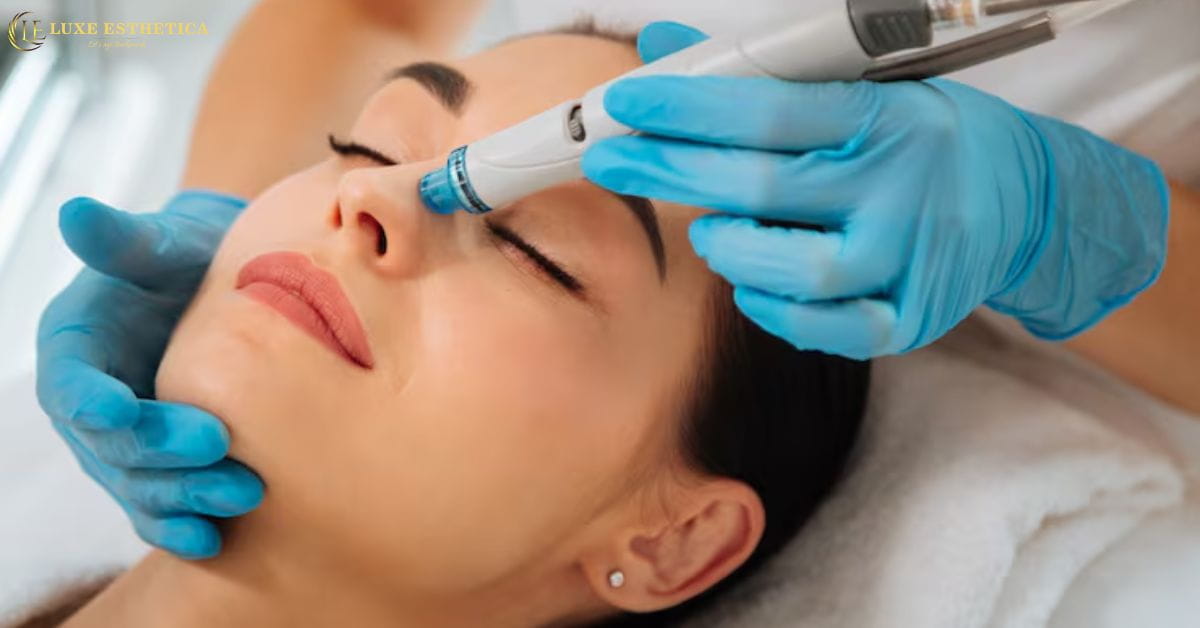
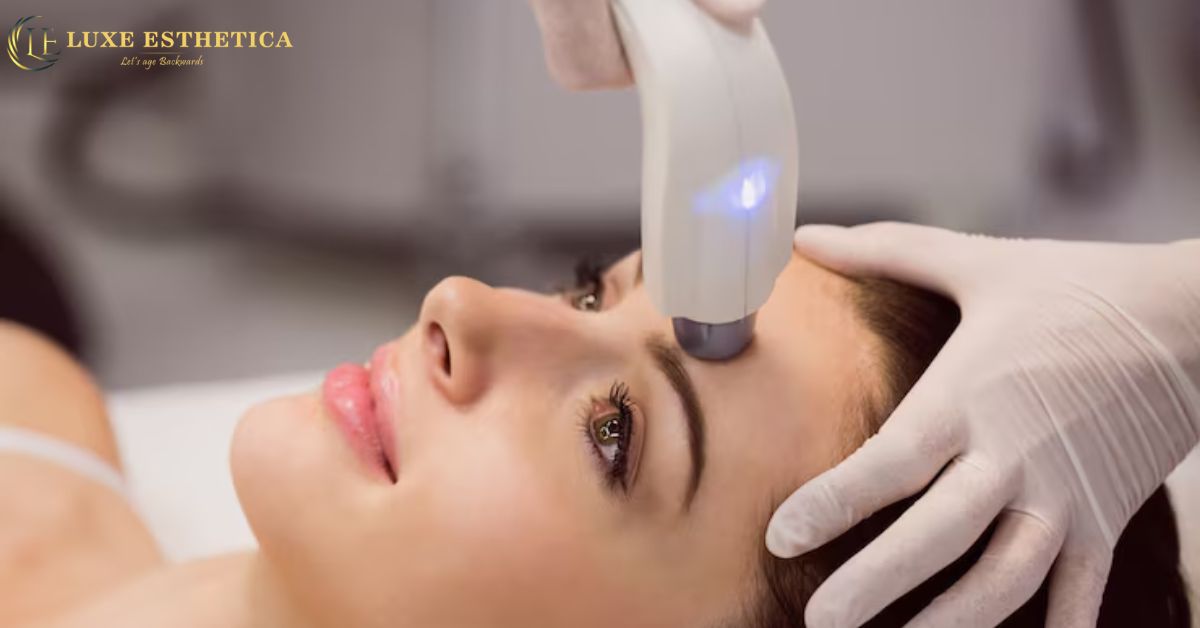
A Hydra Facial cleans pores, exfoliates, extracts and infuses moisturising serums using a handheld device. Downtime is minimal, which helps when your calendar is full. It improves dullness and dehydration. It will not remove deep scars or stubborn pigmentation, so ask about other options if those are your main worries.
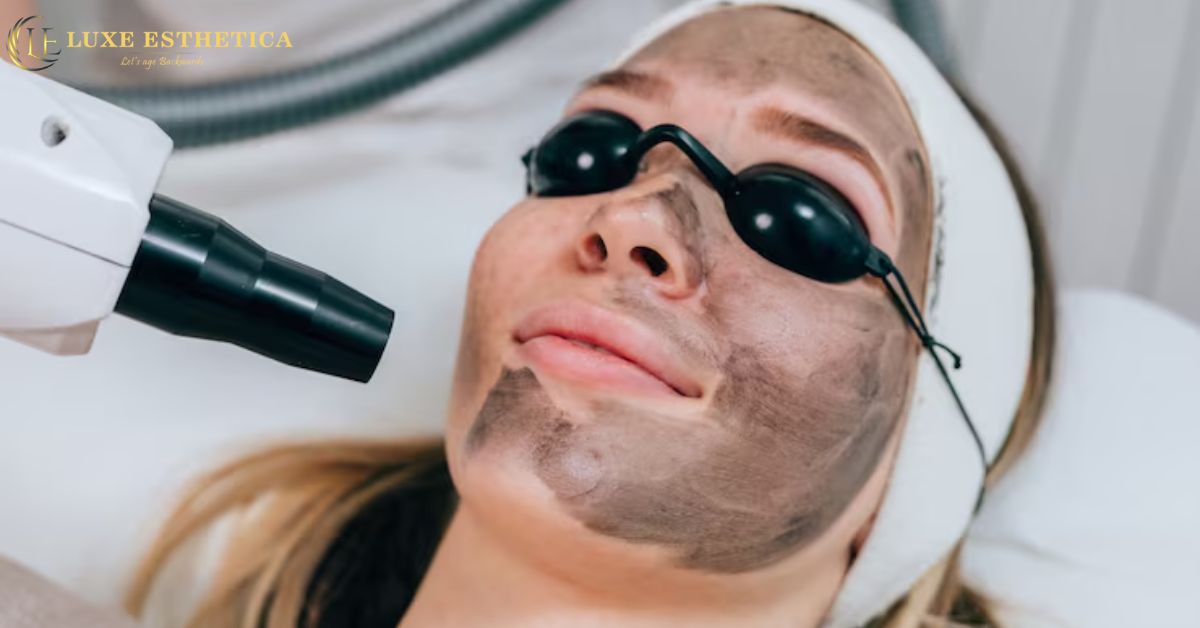
A carbon facial applies a carbon-based lotion and uses laser pulses to lift it away. Clinics often suggest it for oily skin, open pores and a dull surface. Skin can feel sensitive for a day or two, so schedule it well before the wedding.
Facials polish the surface. Deeper concerns need a targeted bridal skin treatment, and they need the earliest start.
Dark patches come from sun exposure, hormones, old pimples and sometimes friction. Treatment may combine peels, topical medicines and in-clinic procedures, depending on the cause. Sun protection decides how long results last, because pigmentation returns quickly when skin sits unprotected in the sun. Results vary from person to person, and a dermatologist should identify the type of pigmentation before treatment begins.
Your natural skin colour does not change, and no safe treatment should try to change it. What treatment can do is remove tan, fade dark patches and bring back brightness that dullness has hidden. Be careful with creams or injections that promise a fairer shade. Some contain steroids or other ingredients that can damage skin over time. If a clinic guarantees a colour change, treat that as a warning sign.
Flat marks and pitted scars are different problems. Marks often fade with time, sun protection and topical care. Pitted scars usually need a series of sessions spread over months, using methods such as microneedling, lasers or peels chosen for your scar type. If you want to treat scars, begin about six months out where possible. Never pick at active pimples, since that creates new marks.
Light peels using acids such as glycolic or mandelic acid smooth texture and brighten dull skin. Expect dryness or light flaking for a few days afterwards, plus extra sensitivity to sun. Peels belong in the middle of your timeline, never in the last two weeks. Indian skin tones tend to develop dark marks after irritation, so a qualified dermatologist should decide the strength and frequency.
Many weddings in this region fall in the cooler months, when dry air strips moisture and leaves skin tight and flaky. Spring and early summer dates bring stronger sun and a higher risk of tanning, especially if you travel to the hills. A bridal skin treatment that ignores the season often disappoints, because the weather changes how skin heals.
If you live in Rishikesh, Haridwar, Mussoorie, Haldwani or another town, ask the clinic whether sessions can be grouped into fewer trips. Keep treatments that cause downtime away from travel days.
Many brides also add other bridal beauty treatments, such as laser hair removal, alongside skin work. Laser hair removal needs several sessions spaced weeks apart, and your skin needs sun protection between visits, so it also calls for an early start.
Most problems with bridal skin treatment come from timing, not from the treatments themselves. Watch for these:
An early consultation and a written plan prevent most of these.
Package names differ from clinic to clinic. A bridal glow treatment at one place may be a single facial, while at another it means a six-session plan. Ask what a bridal skin treatment package actually includes before you compare prices. These questions help:
Also ask for a patch test before any peel or laser session.
Good bridal skin treatment is mostly patience. Book a consultation about six months before the wedding, fix the deeper concerns first, add glow treatments later and leave the final fortnight calm. At Luxe Esthetica, the first step is a skin consultation, so your plan fits your skin and your date.
Ideally four to six months before the wedding. That gives time for peels, pigmentation care and scar treatment, which need repeat sessions. With less time, a dermatologist can still build a shorter plan, though it will aim for healthier, brighter skin rather than major correction.
It depends on your concerns. A simple glow plan may take a few facials over two to three months. Pigmentation and scars usually need more sessions across several months. A dermatologist can give a realistic number after examining your skin.
It is better to avoid it unless you have had that exact facial before. Extraction or exfoliation this close to the day can leave redness. A gentle hydrating routine, plenty of water and a full night's sleep do more for you.
No treatment should change your natural colour. Treatments can remove tan, soften dark patches and improve brightness, which often looks like a lighter, more even tone.
Light peels are commonly used on Indian skin when a dermatologist chooses the right acid and strength. Darker skin tones are more likely to develop marks after irritation, so peels done without a proper assessment carry more risk. Always ask for a patch test.
Yes, but active acne is usually treated first. Some procedures are paused during breakouts because they can irritate inflamed skin. Your dermatologist will decide the order. Avoid squeezing pimples before the wedding
Avoid new products, peels, lasers, first-time waxing on sensitive areas, sun tanning and heavy scrubbing. Stick to cleanser, moisturiser, sunscreen and rest.
May 23, 2026
May 18, 2026
Copyright @ Luxe Esthetica All Rights Reserved DigiMaryland
Enquire Today & get upto 30% Off on all our treatments