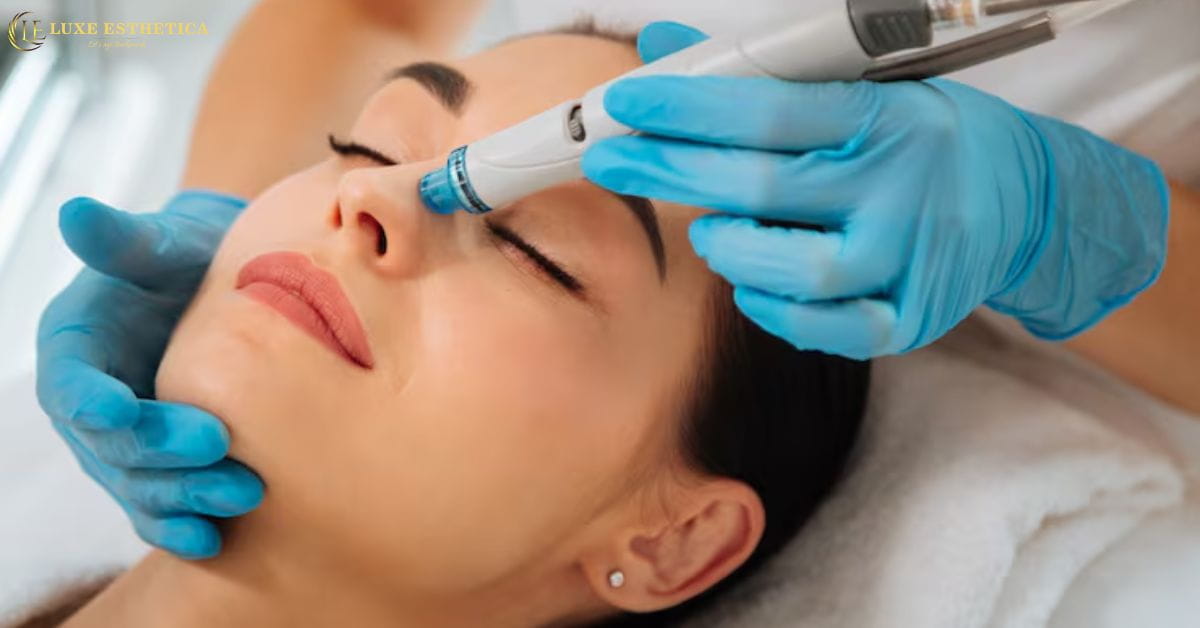

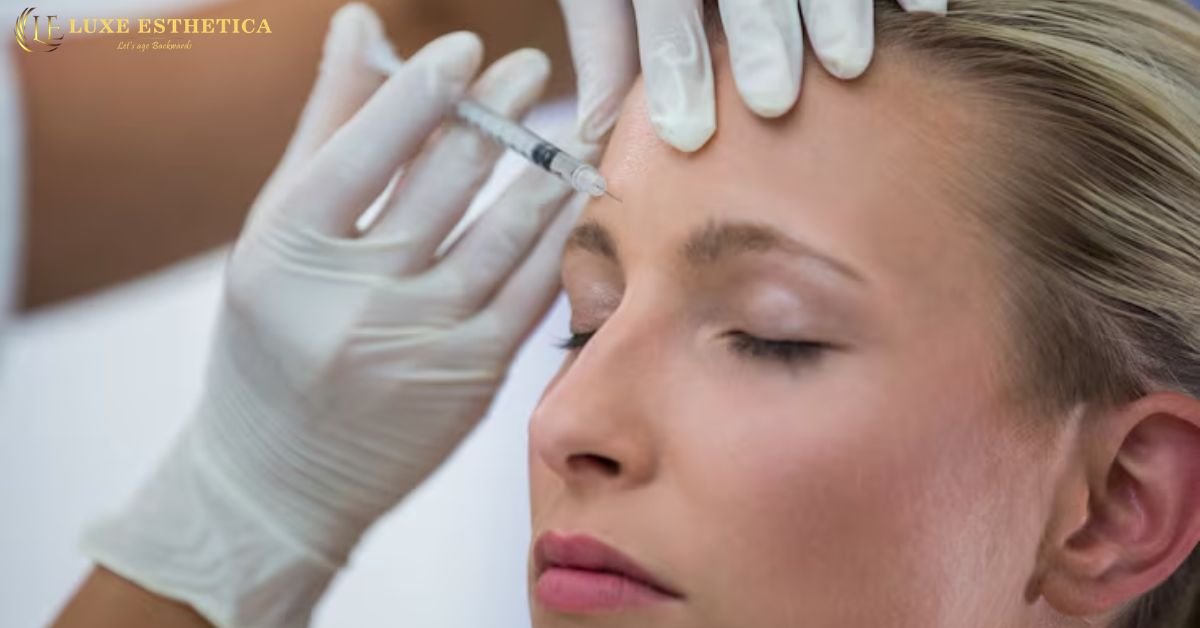
Are you seeming older or more tired than you really are because of wrinkles and fine lines? You are probably wondering whether is botox safe and what is botox or botox treatment meaning is after hearing a lot about it and seeing ads for it everywhere. Confusing information on the internet makes you question its veracity.
The fear of choosing the wrong choice is a result of this misconception. On the other hand, you would hate to come off as robotic or unnatural while missing out on a response that might increase your self esteem. Security worries intensify. Is there any pain? What happens if anything goes wrong? Some people are quite confident in the results, while others share terrifying stories that make you think twice. The fear of other people's opinions adds stress.
Understanding botox treatment and differentiating fact from myth resolves this misunderstanding. There has been a long history of safe and successful usage of botox injections in face. The benefits of botox, potential risks, and how to make a decision are all covered in this book.
Botox is not just for show. You can make better skincare decisions when you know what is botox injection and what goes into your body.
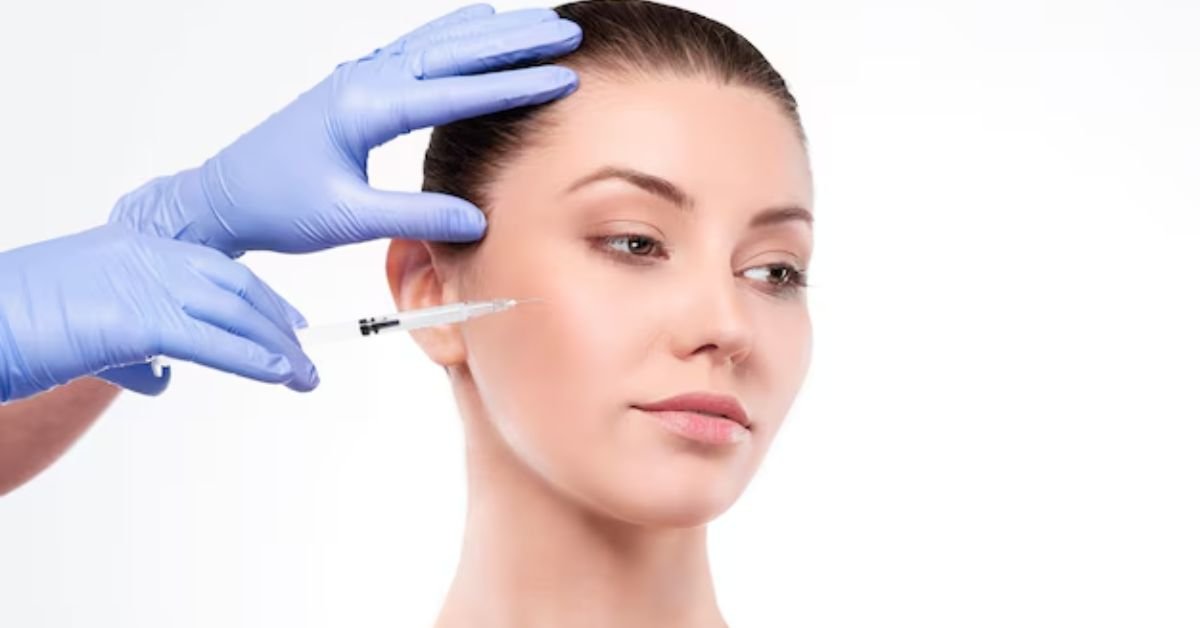
Botulinum toxin type A, a pure protein produced by Clostridium botulinum, is known in the business world as botox. Before you freak out at the word "toxin," remember that it refers to extremely small, safely controlled amounts when used for medical purposes.
Its operation:
Prior to its cosmetic application, botox treatment for face was authorized by the FDA for therapeutic use in 1989. When given correctly, its extensive medical history attests to its safety.
Authorized medical uses:
After years of testing, cosmetic use was finally approved in 2002. The safety and effectiveness of botox injections in face have been shown by medical research spanning more than 30 years.
What sets fillers different from botox injections in face? These two procedures are often misunderstood:
Botox:
Restores elasticity by easing tense muscles
Dermal fillers:
When you know the difference, you can choose the right solution for your problems.
The benefits of botox extend beyond how they look. Aesthetics and well being are both improved by these treatments.
Face expression lines are the intended targets of botox injections in face.
Frequently treated areas:
No more wrinkles This treatment will keep them at bay. Skin may smooth out and stay smooth if you avoid making the same expressions over and over again, which causes wrinkles.
The fact that the results seem natural is a major plus. You also keep your expression intact. You seem refreshed, rejuvenated, and years younger.
Achieving positive results involves preserving facial expressions:
Busy schedules are no match for botox treatment for face:
Botox for the face may help with certain medical conditions:
Improving mental health is as simple as taking a good look at yourself in the mirror:
In most cases, the mental benefits will exceed the physical changes.
Also Go Through:- Laser Hair Removal Treatment in Dehradun
A truthful answer to the question "is botox safe" is due after millions of treatments and decades of research.
Getting botox injections in face done by a professional is completely risk free:
The data speaks for itself:
To be safe, the most important thing to do is to get a reliable provider. Incorrect administration, rather than Botox, is the main source of most problems.
Some people should not have botox treatment for face:
Completely off limits uses:
Be careful with:
Before beginning treatment, be sure to get your doctor's full medical history.
Botox side effects on face are usually mild and short lived:
Normal reactions:
Within a few days, these signs and symptoms will often go on their own. Serious side effects are uncommon with appropriate treatment.
There is needless worry caused by what is botox injection disinformation. Distinguish reality from fiction.
Reality: The botulinum toxin that causes food poisoning is very different from the purified protein used in medical Botox. Cosmetic treatment dosages are strictly controlled and very minimal. Its safety, when administered correctly, has been confirmed by billions of treatments over 30 years.
Reality: Botox isn't to blame for that frozen appearance; bad technique is. Expert injectors can smooth out wrinkles while keeping their natural expressions intact by precisely dosing each area. Feel free to smile, frown, and show your emotions.
Reality: You can stop Botox treatments anytime without consequences. Normalcy is restored to your face. Make no effort to look worse once you begin. Removing wrinkles takes time, months at least.
Reality: Injections of botox injections in face typically have a duration of three to six months. Your muscles' range of motion returns, and protein digestion slows down. Being temporary allows for more leeway and security. Negative outcomes fade away on their own.
Reality: Getting Botox as a preventative measure in your twenties or thirties could help you avoid deep wrinkles. It is recommended by many dermatologists to start before fine wrinkles appear. Avoiding problems is easier than solving them.
Reality: The definition of what is botox has not changed. The protein remains where it was injected, clinging to nerve terminals. It is both safe and effective because of its focused activity. Protein sticks to nerve endings after injection. Since it only affects one thing, it is safe and effective.
Botox can improve skin, self-esteem, and medical issues. If you use experienced providers and follow the steps, the risks are low. Most Botox horror stories involve bad technique or unqualified injectors, not the drug.
The effects of Botox last for different amounts of time depending on the person's muscle strength, the area being treated, their metabolism, and how long it has been since their last injection. Most patients say that the effects wear off in four months. First time users may notice that the effects do not last as long because their muscles are not used to relaxing. But regular users usually get longer lasting benefits.
The pinching feeling that follows a Botox injection often subsides within a few seconds at the injection site. Due to the tiny size of the needles and the fact that many surgeons employ numbing cream or cold, the majority of patients are able to withstand the surgery.
When administered by qualified professionals, Botox seldom has long term effects; most side effects go away within a few weeks or months. Most people experience temporary drooping or slight asymmetry once Botox takes effect. Mistakes, like the wind, blow away.
In your late twenties or early thirties, when you start to see fine lines from frowning or scowling too much, most doctors will recommend Botox as a preventative measure. Your optimal age is influenced by your genes, skin type, amount of sun exposure, and personal goals.
May 23, 2026
May 18, 2026
Copyright @ Luxe Esthetica All Rights Reserved DigiMaryland
Enquire Today & get upto 30% Off on all our treatments